LAX Vs Dubai International: Which Airport Wins?
Los Angeles International Airport (LAX) and Dubai International Airport (DXB) are two of the most recognizable aviation hubs on the planet, yet they serve fundamentally different travel purposes. This LAX vs Dubai International comparison breaks down scale, passenger experience, connectivity, accessibility, and future plans so you can decide which airport actually fits your journey.
Quick Answer: LAX is a primary origin/destination airport for the US West Coast, while DXB is a global connecting hub linking East and West. Choose DXB for seamless layovers and luxury shopping; choose LAX for direct access to Los Angeles and a more urban, entertainment-driven vibe.
- LAX is driven by local origin/destination demand, while DXB is driven by connecting passengers transferring between Europe, Asia, and Africa.
- DXB offers a more integrated, often faster transit experience; LAX requires more time for terminal-to-terminal moves.
- Dubai International sits roughly 3 miles (5 km) from downtown Dubai, while LAX is about 18 miles (29 km) from downtown Los Angeles.
- Both airports rank among the world's busiest, but their traffic patterns and passenger profiles are completely different.
- Both airports are undergoing major expansion and sustainability programs — always verify current status before you travel.
LAX vs Dubai International: The Complete Answer
What Defines LAX
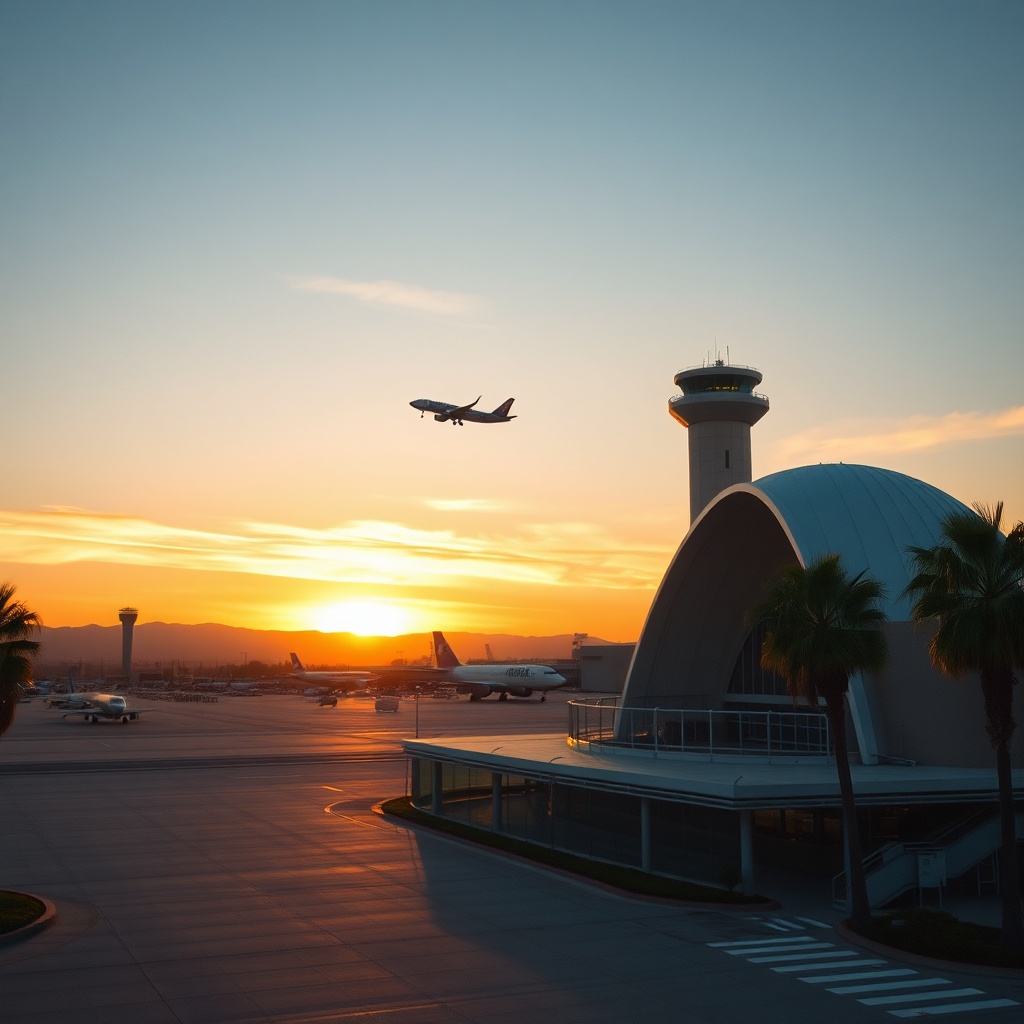
An iconic Los Angeles airport scene capturing the urban, entertainment-driven vibe of LAX.
Los Angeles International Airport is the largest international gateway to the US West Coast. It's an origin-and-destination airport first and a connecting hub second — meaning most passengers either start or end their trip there, rather than passing through on the way somewhere else.
LAX is culturally iconic. The mid-century Theme Building with its parabolic arches has been a symbol of the airport since 1961. The Tom Bradley International Terminal (TBIT) serves as the main gateway for international arrivals and departures, and the airport has a strong reputation as a film and entertainment hub. LAX is also a major base for several US airlines, with heavy transpacific traffic to Asia and Oceania.
What Defines Dubai International
Dubai International Airport is a strategic global hub that connects Europe, Asia, Africa, and the Americas. Its traffic is overwhelmingly transit-based — passengers fly into DXB from one region and connect onward to another, often on Emirates, the airport's dominant carrier.
DXB is known for its massive Terminal 3, which is dedicated almost entirely to Emirates. The airport is also world-renowned for duty-free shopping, with an extensive retail area that spans multiple terminals. The experience is built around the layover: efficient transfers, premium lounges, and a polished, high-end atmosphere.
Definition: A connecting hub is an airport where a large share of passengers transfer between flights rather than starting or ending their journey there. DXB is a classic example, with a majority of its traffic made up of transit passengers.
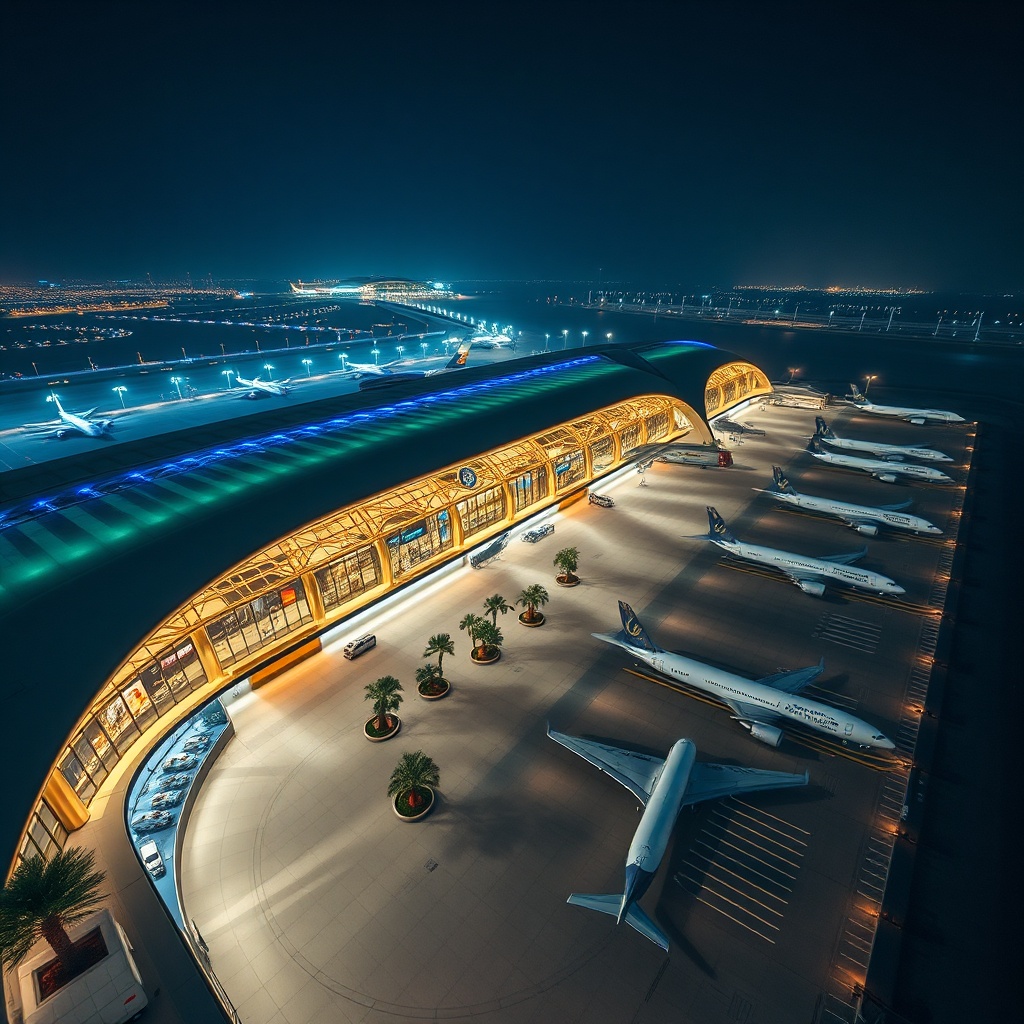
A luxurious, high-angle view of Dubai International Airport emphasizing its role as a seamless connecting hub.
The Head-to-Head Verdict
LAX is best if you're originating or ending your journey in the Los Angeles area. DXB is best if you're connecting through to another destination. For layovers, DXB delivers a more seamless, integrated transfer experience; LAX offers a more urban, entertainment-focused atmosphere, but you'll need to budget extra time to move between terminals.
Comparison Table: LAX vs DXB at a Glance
| Dimension | LAX (Los Angeles) | DXB (Dubai) | Notes |
|---|---|---|---|
| Primary Role | US West Coast gateway | Global connecting hub | LAX is origin/destination; DXB is transit-heavy |
| Terminals | Multiple terminals, including Tom Bradley International | 3 main terminals, with Terminal 3 dedicated to Emirates | DXB is more compact and integrated |
| Known For | Iconic architecture, entertainment, diverse food scene | Luxury, duty-free shopping, seamless layover experience | Transit Experience |
| More complex for transfers | Seamless for connecting passengers | Location | Urban, ~18 miles (29 km) from downtown LA |
| Suburban/desert, ~3 miles (5 km) from downtown Dubai | DXB is significantly closer to its city center | Future Plans | Modernization with automated people mover |
| Expansion and new airport at Al Maktoum | Check current project status before traveling |
Scale and Traffic: Two Global Hubs
Passenger Volume and Global Ranking
Both LAX and DXB consistently rank among the world's busiest airports by passenger traffic. However, the drivers behind those numbers are entirely different. LAX's traffic is fueled by the massive local population of the Los Angeles metropolitan area — people flying out for business, leisure, and family visits. DXB's traffic is fueled by its position as a global transfer point, with a large percentage of passengers simply passing through on connecting itineraries.
This distinction matters for travelers. At LAX, you're likely dealing with a mix of local travelers, arriving international passengers, and some connecting traffic. At DXB, the airport is engineered around the transfer passenger, which shapes everything from terminal design to security procedures.
Flight Networks and Destinations
LAX has a strong focus on transpacific routes, with extensive service to Asia, Australia, and New Zealand, alongside robust domestic coverage across the United States. DXB, on the other hand, excels at connecting Europe, Asia, and Africa, with a route network that spans six continents. Emirates' hub-and-spoke model means DXB offers one-stop connectivity between dozens of cities that have no direct flights to each other.
Airport Size and Physical Footprint
DXB is relatively compact and integrated, with three main terminals that are connected and designed for efficient passenger flow. LAX is spread out across a large urban footprint, with multiple terminals that are physically separate. This difference is the single biggest factor in the transit experience — at DXB, moving between flights often means staying within one terminal complex; at LAX, it may mean taking a shuttle, train, or walking long distances.
Quick Answer: Which airport has more connecting passengers? DXB. A majority of DXB's traffic is transit passengers transferring between flights, while LAX's traffic is dominated by passengers starting or ending their trips in Los Angeles.
Passenger Experience and Facilities
Terminals and Layover Experience
LAX has a collection of terminals — numbered 1 through 8 plus the Tom Bradley International Terminal — that are connected by walkways and shuttle services. Transferring between them can take significant time, especially if you need to re-clear security or change terminals entirely. DXB's Terminal 3, dedicated to Emirates, is one of the largest airport terminals in the world and allows most Emirates passengers to transfer without leaving the building.
Lounges, Shopping, and Dining
DXB is often described as a shopping destination in its own right. Its duty-free area spans a vast footprint, and the airport is home to premium lounges, including the Emirates First Class Lounge, which offers spa services, fine dining, and private suites. LAX offers a more diverse, locally influenced food scene, with celebrity chef restaurants and a range of options that reflect the city's culinary identity. Both airports provide lounge access through airline programs and third-party memberships.
Amenities and Passenger Comfort
Both airports offer a range of comfort amenities, including sleeping pods, showers, prayer rooms, and family facilities. DXB is particularly well-known for its layover-focused offerings, with quiet zones and rest areas designed for transit passengers. LAX has been upgrading its amenities as part of its modernization program, but the passenger experience is less centered on the layover and more on getting people in and out efficiently.
Connectivity and Transit: Getting From A to B
Transfer Experience at Each Airport
At LAX, connecting flights can be challenging. The airport's multiple terminals mean you may need to exit one terminal and enter another, potentially re-checking bags and re-clearing security. International-to-domestic connections are especially time-consuming, as you'll need to clear customs and immigration before proceeding to a domestic terminal.
At DXB, transfers are much more streamlined. Because Terminal 3 is dedicated to Emirates, most connecting passengers stay within the same terminal complex. Even when transferring between terminals, the airport's design minimizes walking distances and keeps security and immigration processes centralized.
Step-by-Step: How to Plan a Layover at LAX or DXB
- Determine whether you're transferring to another flight or leaving the airport to explore the city.
- Check your arrival and departure terminals and gates using the airport's official maps or app.
- Calculate your minimum connection time — this varies by airline, terminal, and whether you're connecting internationally or domestically.
- Decide whether to leave the airport. For DXB, check the Dubai transit visa requirements; for LAX, consider traffic and time needed to get back.
- Budget time for security, immigration, and re-boarding. At LAX, add extra time for terminal changes.
- Use the airport's official website or app for real-time updates on gates, delays, and security wait times.
International vs Domestic Connections
LAX has separate international and domestic terminal areas, which creates friction for passengers arriving internationally and continuing domestically. You'll typically need to clear immigration, collect your bags, and re-check them before heading to a domestic terminal. DXB is more integrated, with a single security and immigration process for most connecting passengers. This difference is one of the main reasons DXB is often considered easier for layovers.
Quick Answer: Which airport is better for a layover? DXB is generally better for layovers, especially for Emirates passengers, because transfers are more integrated and the terminal complex is designed for connecting traffic.
Accessibility and Location: How to Get There
Getting to/from the Airport
LAX is located in the middle of Los Angeles, which means road access is heavily dependent on traffic. The FlyAway bus service connects LAX to downtown Los Angeles and other regional hubs, and the airport is also served by taxis, ride-shares, and hotel shuttles. DXB is connected to the Dubai Metro, providing a direct rail link to the city center and beyond. Taxis and ride-shares are also widely available.
Parking and Road Access
LAX is notorious for congestion on the surrounding roads, particularly the Century Boulevard and Interstate 105 approaches. Parking is available in multiple structures, but costs and availability vary by terminal. DXB has dedicated road access and structured parking facilities near each terminal, and the metro provides a reliable alternative to driving.
Proximity to City Centers and Hotels
Dubai International is located in the Al Garhoud district, approximately 3 miles (5 km) from downtown Dubai, making it one of the most convenient major airports in the world relative to its city. LAX is about 18 miles (29 km) from downtown Los Angeles, and the drive can take anywhere from 30 minutes to over an hour depending on traffic. This proximity difference is a major factor if you're staying in the city for a few days.
Operational Challenges and Future Plans
Weather and Delays
LAX is affected by the marine layer — the low coastal fog that can roll in during the morning and evening, occasionally causing delays. DXB faces extreme heat and occasional dust storms, which can impact operations, though the airport is designed to handle high temperatures. Both airports experience weather-related disruptions, but the causes and patterns are very different.
Expansion and Infrastructure
LAX is in the middle of a major modernization program that includes an automated people mover to connect terminals with a new consolidated rental car facility and the Metro rail system. The program also includes terminal upgrades and improved road access. DXB has plans for expansion and a longer-term shift to Al Maktoum International Airport, which is being positioned as the region's future mega-hub. Check current official sources for the latest project timelines and status.
Sustainability and Noise
Both airports face noise and environmental complaints from surrounding communities. LAX has implemented noise reduction programs and is working on sustainability initiatives, including electrification of ground equipment and energy-efficient buildings. DXB has also invested in sustainability measures, though the specifics vary by project. Community engagement and environmental compliance remain ongoing priorities for both.
FAQ
Q1: Which airport is bigger, LAX or Dubai International?
By physical footprint, LAX is larger and more spread out, with multiple terminals across a wide urban area. DXB is more compact and integrated, with three main terminals. Both handle similar volumes of passenger traffic, but DXB concentrates its operations in a smaller space.
Q2: Is it better to fly through LAX or DXB for a layover?
DXB is generally better for layovers, particularly for Emirates passengers, because transfers are more integrated and the terminal complex is designed for connecting traffic. LAX requires more time for terminal changes and can be more complex for international-to-domestic connections.
Q3: How far is Dubai International from the city center compared to LAX?
Dubai International is approximately 3 miles (5 km) from downtown Dubai, making it very close to the city. LAX is about 18 miles (29 km) from downtown Los Angeles, a distance that can take 30 minutes or more to drive depending on traffic.
Q4: Which airport has more international destinations?
DXB's network is more globally oriented, with a route map that spans six continents and connects Europe, Asia, Africa, and the Americas. LAX has strong transpacific service and is a major US gateway, but DXB's role as a connecting hub gives it a broader international reach.
Q5: What are the main differences in terminal facilities between LAX and DXB?
DXB's Terminal 3 is dedicated to Emirates and offers a seamless, integrated transfer experience with extensive duty-free shopping and premium lounges. LAX has multiple terminals, including the Tom Bradley International Terminal, with a more diverse food scene and a less centralized layout.
Conclusion
LAX vs Dubai International isn't about which airport is objectively better — it's about which one fits your travel pattern. DXB excels as a connecting hub, with seamless transfers, luxury amenities, and close proximity to downtown Dubai. LAX is the natural entry point for visiting Los Angeles, offering direct access to the city and a more urban, entertainment-driven atmosphere.
Before you travel, verify current facts, flight schedules, and airport updates with official sources. Both airports are world-class in their own right, but they serve fundamentally different journeys. Choose based on whether you're passing through or arriving to stay.